Physical Address
304 North Cardinal St.
Dorchester Center, MA 02124
Physical Address
304 North Cardinal St.
Dorchester Center, MA 02124

Released in August 1968, “Hey Jude” quickly became much more than just another Beatles single. It was a song of hope, encouragement, and healing during a time when both the band and the world around them were changing rapidly. More than five decades later, it remains one of the most beloved songs ever recorded.
The story behind “Hey Jude” began during a difficult chapter in the Beatles’ history. John Lennon and Cynthia Lennon were separating, and their young son, Julian, was caught in the middle. Paul McCartney, who had always been close to Julian, decided to drive out to visit him. During the journey, Paul began humming a comforting melody and singing words meant to reassure the little boy.
The original lyric was, “Hey Jules, don’t make it bad.” As the melody developed, Paul realized that “Jude” simply sounded stronger and more natural when sung. The message remained the same: no matter how difficult life became, things could get better.
When Paul introduced the song to the rest of the band, everyone immediately recognized its emotional power. Although John Lennon believed the lyrics were secretly directed at him and his new relationship with Yoko Ono, Paul always maintained that the song was written for Julian.
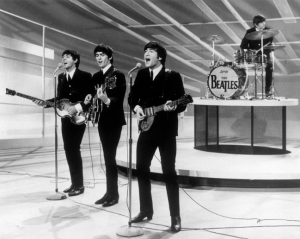
Recording “Hey Jude” was unlike anything the Beatles had attempted before. At more than seven minutes long, it was considered far too lengthy for a commercial single. Radio stations were accustomed to songs lasting around three minutes, and many doubted that listeners would stay engaged for twice that time.
The Beatles ignored the conventional wisdom.
The recording featured one of Paul’s most heartfelt vocal performances, gradually building into the unforgettable “na-na-na” singalong that lasts for several minutes. To make the ending feel as powerful as possible, the band invited a large orchestra into the studio. After finishing their instrumental parts, the musicians were encouraged to clap, sing, and join the chorus, creating the massive communal sound that has become one of the song’s defining moments.
When “Hey Jude” was released, it exceeded every expectation.
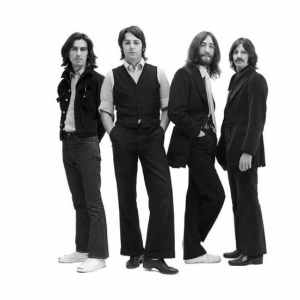
It quickly climbed to No. 1 in countries around the world, spending nine consecutive weeks atop the Billboard Hot 100 in the United States—a record for the Beatles at the time. Despite its unusually long running time, radio stations embraced it, and listeners couldn’t get enough of its uplifting message.
Critics praised its emotional honesty, while fans connected deeply with its comforting lyrics. The song seemed to arrive at exactly the right moment, offering reassurance during a period marked by social change, uncertainty, and personal struggles for many people.
Today, “Hey Jude” is still one of the defining songs of popular music. Whether heard in a stadium filled with thousands of voices or played quietly through a pair of headphones, its message remains timeless: take a sad song, and make it better. That simple idea has helped generations of listeners find comfort, hope, and strength—and it’s exactly why “Hey Jude” continues to stand among the greatest songs ever written.