Physical Address
304 North Cardinal St.
Dorchester Center, MA 02124
Physical Address
304 North Cardinal St.
Dorchester Center, MA 02124

When “Hang On Sloopy” strode onto American airwaves in the summer of 1965, its swaggering guitar riff and shouted refrain sounded like a garage-band pep rally beamed straight from the Midwest to the national stage.
Released on Bang Records at the height of the British Invasion, the single burst past heavyweight competition to seize the No. 1 spot on the Billboard Hot 100 for the week ending October 2, 1965, later spending fourteen energetic weeks on the chart and cracking the year-end Top 40.
In doing so, the tune gave home-grown U.S. rock a triumphant answer to Beatlemania and signaled that regional teenage bands could still top the pop pile in an era increasingly dominated by overseas giants.
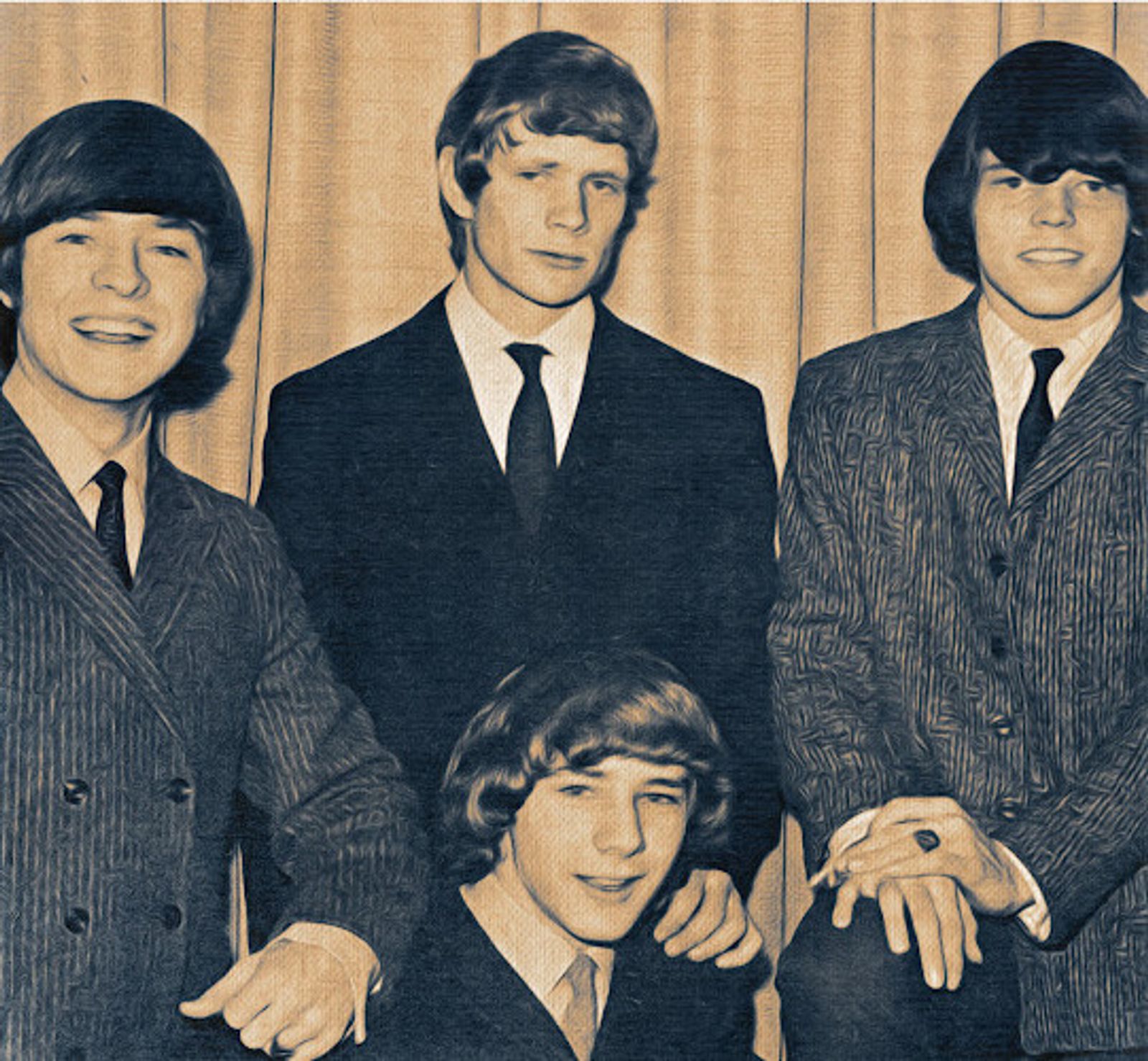
The group behind the hit, the McCoys, hailed from Union City, Indiana—just across the Ohio state line—and were fronted by 16-year-old lead guitarist and vocalist Rick Zehringer, who would soon rechristen himself Rick Derringer.
Originally known as Rick and the Raiders, the quartet cut its teeth at fraternity dances and VFW halls throughout the Midwest, honing a raw, dance-floor-friendly attack distinguished by Zehringer’s fluid blues leads and drummer Randy Jo Hobbs’s fast, four-on-the-floor backbeats.
Their youth, close-knit pedigree, and eagerness to travel distinguished them from older bar-band rivals and made them an attractive proposition for industry veterans sniffing out America’s next teen sensations.
“Hang On Sloopy” itself was no fresh composition: the songwriting team of Wes Farrell and Bert Berns had first placed it with Los Angeles soul outfit the Vibrations in 1964 under the title “My Girl Sloopy.”
Legend claims the lyric’s mysterious heroine was inspired by R&B singer Dorothy “Sloopy” Sloop, but Berns—ever the myth-maker—never confirmed the tale.
When producers Bob Feldman, Jerry Goldstein, and Richard Gottehrer heard the McCoys cover the number during a Dayton, Ohio, club date, they sensed the band’s rowdy delivery could recast the song for the rock market and quickly whisked the teens to New York to capture that electricity on tape.
Inside Bell Sound Studios, Feldman-Goldstein-Gottehrer kept the arrangement simple: chugging rhythm guitar, handclaps on the backbeat, a bluesy harmonica line, and Zehringer’s urgent vocal doubled an octave lower for added grit.
They punched the chorus with cheerleader-style call-and-response chants—“Sloopy, let your hair down, girl!”—that begged to be shouted by high-school bleachers.
The finished master clocked in at a lean 2:59, perfectly tailored for AM rotation.
Gottehrer later recalled finishing the mix in a single afternoon, confident that the record’s rough edges gave it an immediacy lacking in more polished contemporaries.
Disc jockeys pounced.
Within weeks the single rocketed to national prominence, dethroning Barry McGuire’s “Eve of Destruction” on the Hot 100 while simultaneously climbing to No. 5 on Britain’s Official Singles Chart—a rare feat for a band that had never toured overseas.
Trade papers reported feverish demand that outstripped pressing-plant capacity, and teen magazines splashed the fresh-faced McCoys across photo pages usually reserved for British heart-throbs.
Although the song lost out on Grammy consideration, its crossover momentum made it one of 1965’s year-end staples and locked the group into a whirlwind of television bookings from Shindig! to Hullabaloo.
Culturally, the track’s biggest aftershock detonated in Columbus, Ohio.
That October, an Ohio State University marching-band arranger slipped the tune into a football-game halftime set; the stadium crowd erupted so loudly that the ensemble enshrined it as a between-quarters ritual.
Two decades later, the Ohio General Assembly immortalized the moment by designating “Hang On Sloopy” the state’s official rock song—the first time any U.S. legislature had bestowed such a title—cementing the McCoys’ slice of Buckeye folklore and ensuring that millions of college-football viewers would forever link the chant to scarlet-and-gray Saturdays.
The single’s runaway success vaulted the McCoys from weekend warriors to national headliners almost overnight.
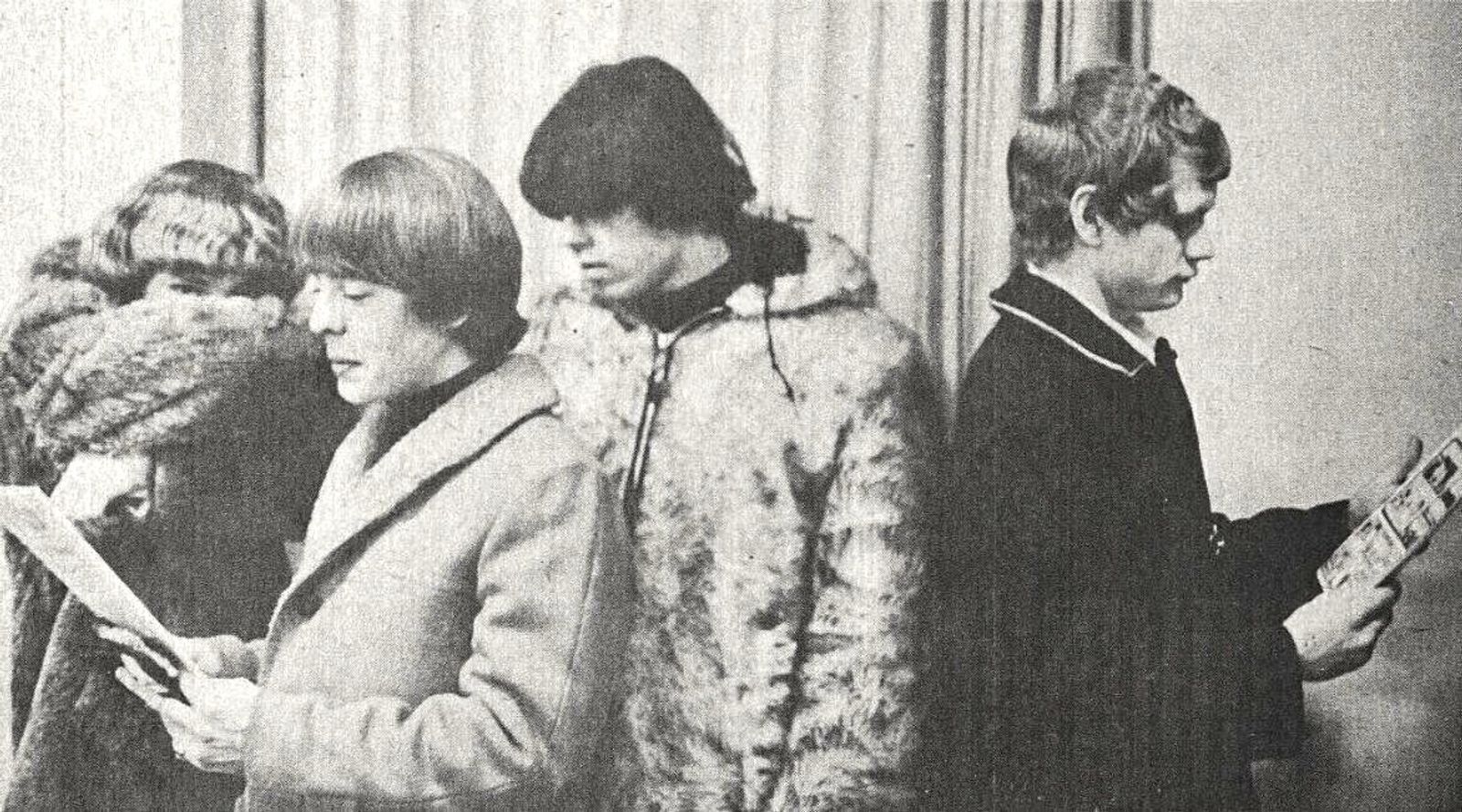
They toured with the Rolling Stones, shared bills with the Yardbirds, and parlayed their breakout into a 1965 debut LP that also spun off a Top-Ten remake of “Fever.”
For Zehringer, the hit provided a launchpad into a storied career: he would later score with “Rock and Roll, Hoochie Koo,” produce for Johnny Winter and Cyndi Lauper, and earn session credits stretching from Steely Dan to Alice Cooper—each step traceable to the doors opened by “Sloopy.”
Musically, the record helped legitimize the garage-rock aesthetic then bubbling beneath the charts.
Its unvarnished crunch and shouted vocals set a template many Midwestern bar bands emulated, foreshadowing the raw ethos of Nuggets-era compilations and influencing proto-punk outfits that prized immediacy over studio sheen.
In interviews, Iggy Pop and members of the Standells have cited the McCoys’ hit as proof that rough-and-ready regional singles could break big if the hook was undeniable.
Cover versions quickly followed.
Jazz pianist Ramsey Lewis electrified the tune for a live reading that cracked the pop Top 15 in late 1965, lending the melody a soulful swing and proving its malleability across genres.
The Kingsmen, the Sandpipers, and even Rick Derringer himself revisited it in later decades, while bar bands from Seattle to Singapore adopted it as a guaranteed dance-floor filler.
Bruce Springsteen traditionally slips a verse into concerts whenever he plays Columbus, acknowledging its local stature.
Behind the scenes, the record’s birth coincided with momentous shifts for its creators.
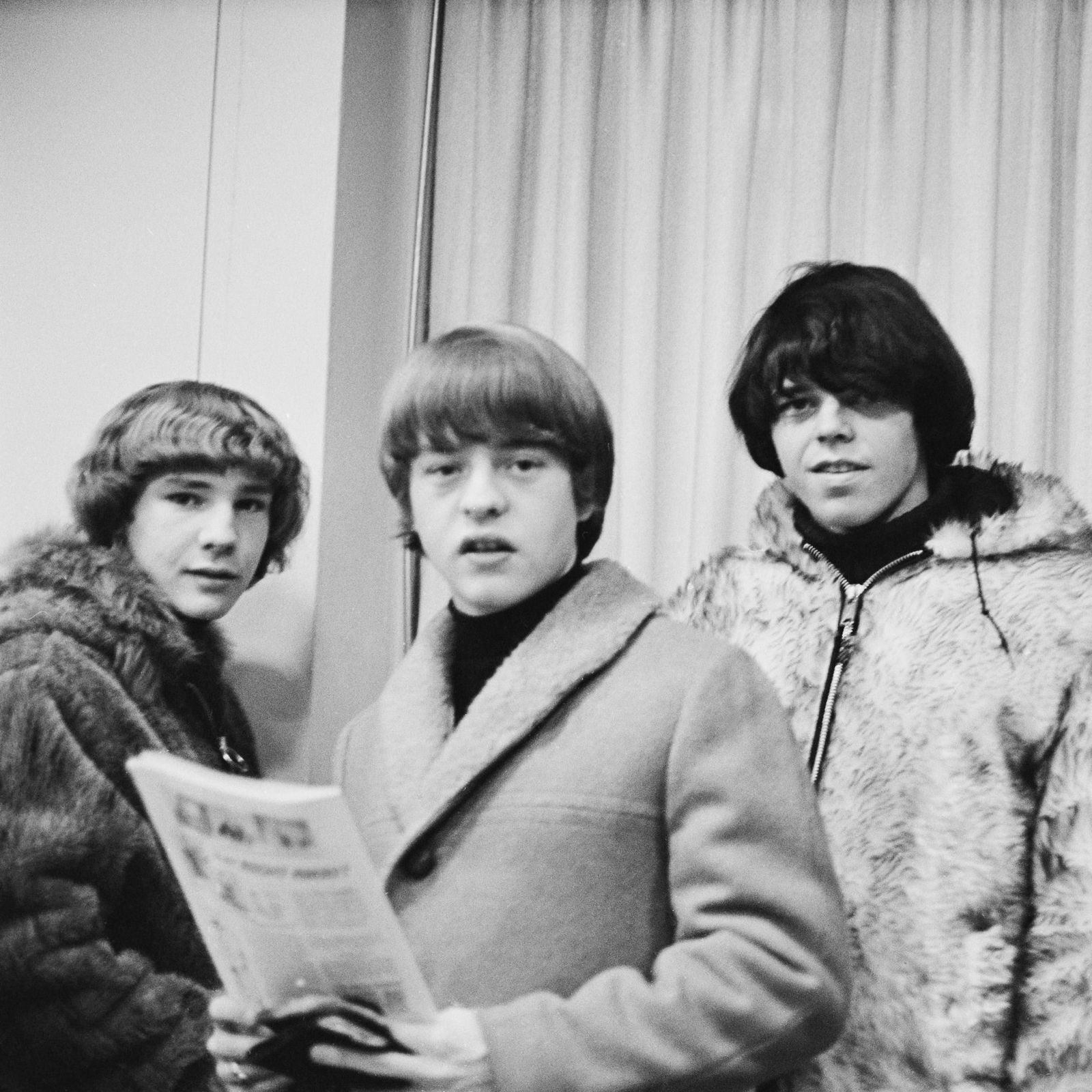
Producer Bert Berns would enjoy only a brief, brilliant streak before his untimely death in 1967, but “Sloopy” stood among the triumphs that underscored his knack for marrying R&B grit to pop accessibility.
For the teenage McCoys, fame arrived so suddenly that high-school administrators had to grant them special permission to finish classes by correspondence while on tour—a head-spinning rite of passage that mirrored the fast-moving pop landscape of mid-sixties America.
Decades later, “Hang On Sloopy” still earns recurrent spins on classic-hits radio and perennial placement on greatest-garage-rock lists.
Rolling Stone’s critics have repeatedly lauded its “ragged-edge perfection,” and digital-era streaming has introduced new listeners to its stadium-ready chant.
Its endurance owes as much to cultural association as to musical merit: from high-school pep rallies to professional-sports arenas, the chorus continues to echo wherever fans gather to raise collective spirit.
In production terms, the single presaged later youth-culture anthems that relied on shouted choruses, stripped-down arrangements, and crowd participation—a formula later harnessed by glam, punk, and college-rock acts.
Producers cite Feldman-Goldstein-Gottehrer’s quick-and-dirty session as an early example of capturing live-band energy without sanding away the imperfections that give a record character, a mindset that would become commonplace once home-studio technologies democratized recording.
The song’s honors have continued to accrue.
Ohio’s 1985 proclamation inspired other states to adopt rock standards of their own, while Rick Derringer’s 1975 steel-drum-laced remake kept the tune in radio rotation across two separate decades.